About
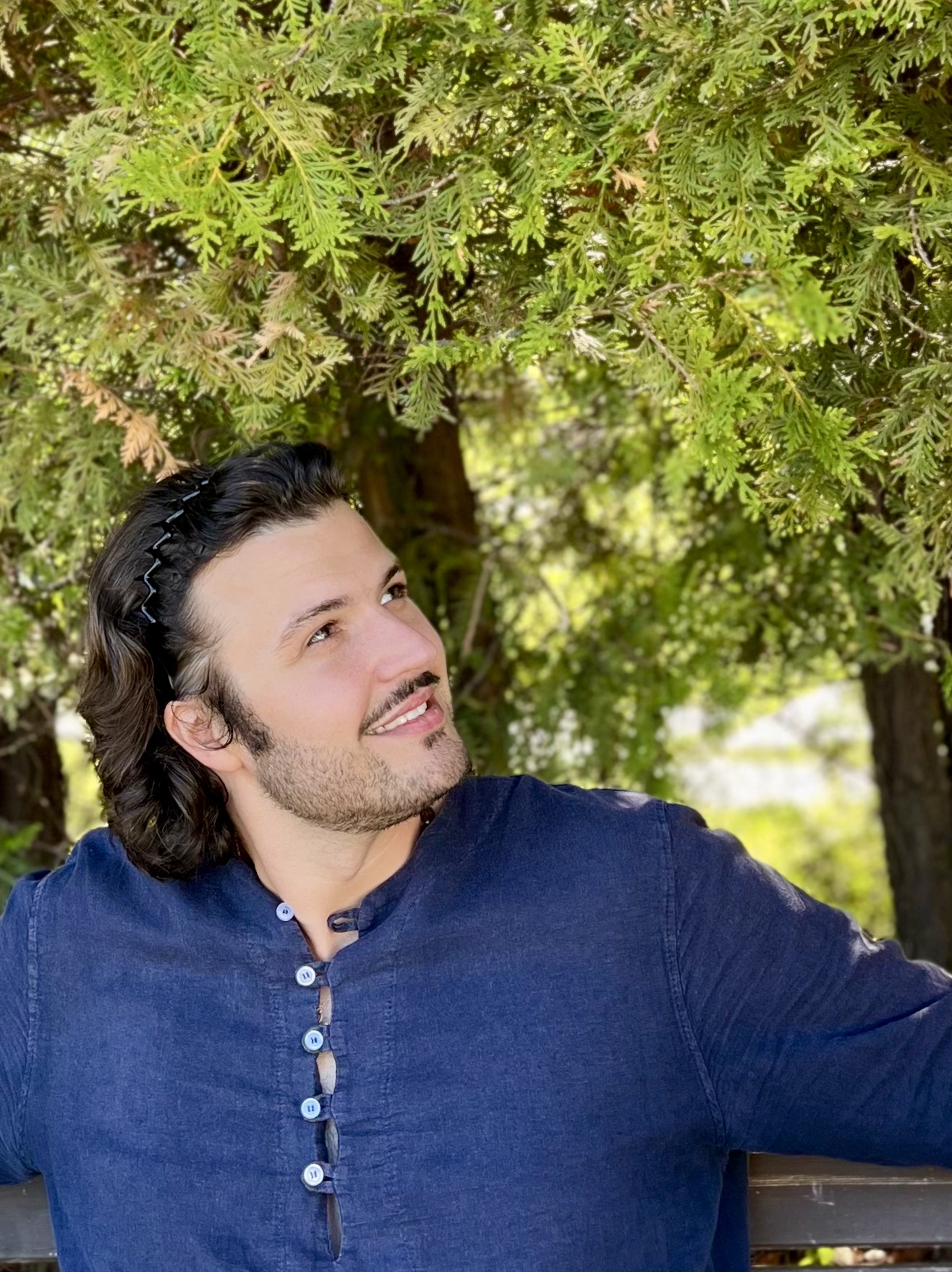
Erik Bladin
Founder, initial embodiment and guardian of the coherence of the HARMONIA method.
The founder is not the hero
HARMONIA is not a method built around a personality. It was born of a repeated observation, then of a work of structuring.
Erik Bladin's role holds in three gestures: he observed what was missing, structured what was scattered, and passed on what could be passed on. The method now exists beyond him — it is this autonomy that allows it to last.
Path
A path, not a diploma
Years of one-to-one work, with very different people united by the same observation: understanding was not enough.
Continuous training in several complementary approaches, none of which was adopted as dogma, and personal work carried out in parallel — a non-negotiable condition for accompanying others.
Then a work of giving form: ordering, naming, making transmissible. From that work HARMONIA was born.
Approach
How the work unfolds
Listening always precedes proposing. Nothing is applied to a person: everything is adjusted to their rhythm and to where they stand on the path.
Sessions follow no script. They follow the order of the seven steps, which is very different: the structure gives a direction, not a protocol.
Values
What is not negotiable
Clarity of the framework
What the work does, what it does not do, and how long it lasts are stated at the first meeting.
Respect for rhythm
No step is accelerated to keep to a calendar.
Non-dependence
The aim is the person's autonomy, not the prolonging of the work.
Confidentiality
What is said in session does not leave it.
Ethical framework
What HARMONIA is not
HARMONIA is not a medical practice and is not care. No diagnosis is made, no treatment is prescribed, modified or interrupted.
The work does not replace ongoing medical or psychotherapeutic care, and never opposes it.
No promise of result, cure or timeframe is made.
Where a situation calls for another competence, the person is referred to an appropriate professional.